Skip to content
PLATEWIKI
Anatomy Map Foods Articles Glossary Dietary Rules Earthy Blueprint
Recipes Nutrients Programs Meal Planner Fasting Timer
Leaderboard Join the Discord About
Kitchen Shop Merch
Athletes Saved
PLATEWIKI

The free, open sports nutrition and whole food library. Fuel smarter.

ExploreAnatomy MapAll FoodsProgramsArticlesAthlete ProfilesSaved Foods
LearnEarthy BlueprintMerchPartner With Us
ResourcesNutrition GlossaryDietary RulesFasting TimerAbout
CommunityJoin the DiscordNutrition Board (IG)Contact
LegalPrivacy PolicyTerms of Use

Disclaimer: Sports nutrition guidance and fasting timers carry risks if you have underlying conditions. Consult a medical professional before beginning any diet or fasting protocol. PlateWiki assumes no liability for health issues or nutritional decisions.

Nutritional data and dietary guidelines are curated in reference to the USDA FoodData Central database.

© 2026 PlateWiki. All rights reserved.

Anatomy MapSardines
Micronutrients• StapleAll Athletes

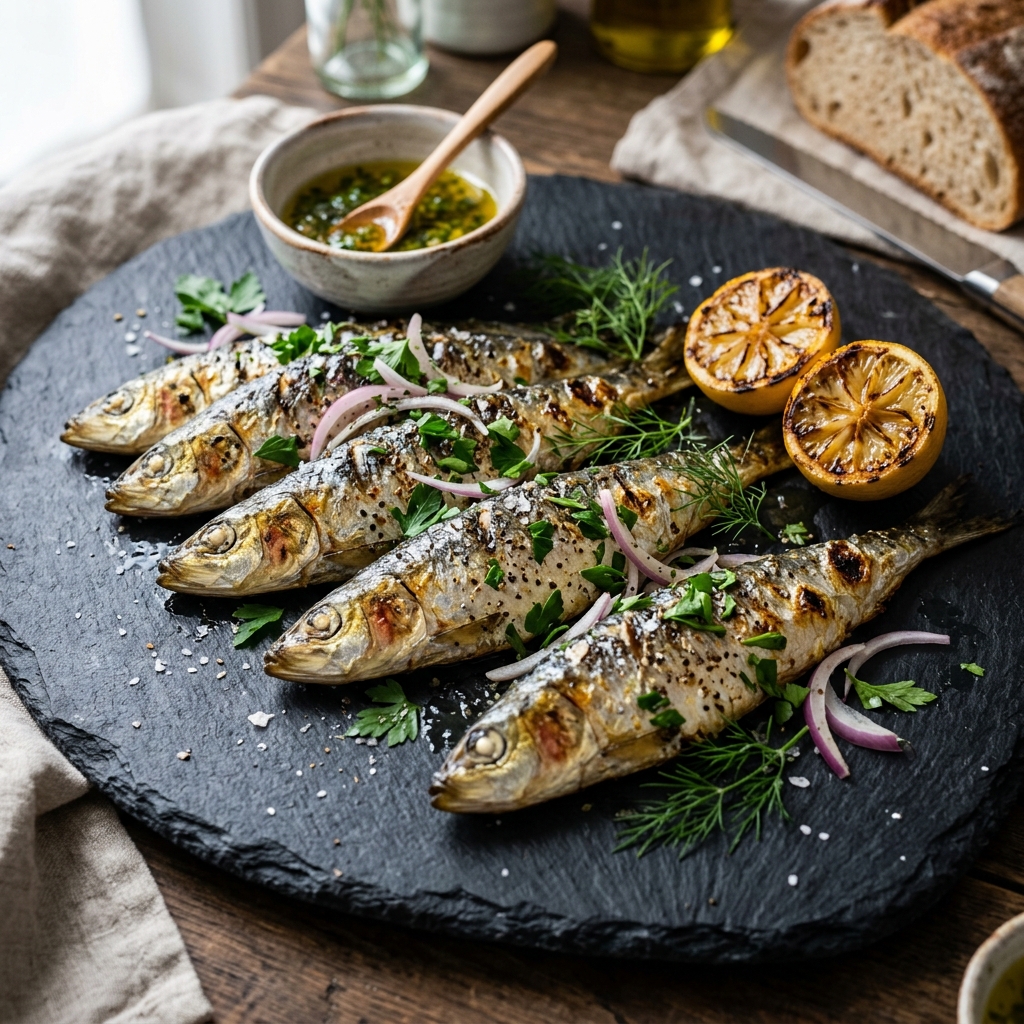
Sardines

One of the most nutrient-dense foods available—sardines deliver bioavailable calcium from edible bones, preformed vitamin D3, EPA/DHA omega-3 fatty acids, and complete protein in a single small, sustainable fish. Their position low on the food chain means negligible mercury accumulation compared to larger predatory fish like tuna or swordfish.

cannedgrilledsmoked
Reviewed by Nutrition Advisory Board · Last updated June 2026
Upper BackCalvesBrain & Cognitive Center
Sardines

Recommended Intake & Goals

Eat one 3.75oz can of sardines 3-4 times per week as a protein source to simultaneously cover calcium, vitamin D, and omega-3 needs without mercury concern.

Preparation & Usage Steps

  1. EPA and DHA omega-3 fatty acids are absorbed in the small intestine and incorporated into cell membrane phospholipids throughout the body.
  2. EPA competes with arachidonic acid as a substrate for COX and LOX enzymes, producing anti-inflammatory series-3 prostaglandins and series-5 leukotrienes that resolve exercise-induced inflammation.
  3. Calcium hydroxyapatite from sardine bones is absorbed in the duodenum via vitamin D-dependent calbindin transport and deposited into bone matrix by osteoblasts.
  4. Preformed vitamin D3 (cholecalciferol) bypasses the UV-dependent skin synthesis step, directly entering hepatic 25-hydroxylation for systemic calcium regulation and immune modulation.

Nutrition Cues

"Choose sardines packed in olive oil for additional monounsaturated fat and better flavor, or in water for a leaner option."
"Eat the bones—they are soft, edible, and provide 35% of your daily calcium per can."
"Wild-caught sardines are always preferable; they are inherently low in contaminants due to short lifespan and low food chain position."

Preparation Tips

  • Mash canned sardines (bones included) with avocado, lemon juice, and diced red onion for a high-protein, calcium-rich "sardine guac" that makes the bones completely undetectable.
  • Pair sardines with a vitamin K2-rich food like natto or hard cheese: vitamin D enhances calcium absorption while K2 directs calcium into bones and away from arteries.

Synergistic Foods & Bio-boosts

  • Mediterranean Sardine Power Plate: Drain 1 can sardines in olive oil, arrange on a plate with 1/2 sliced avocado, 10 cherry tomatoes, 1/4 cup olives, 2 tbsp capers, and a drizzle of lemon-herb vinaigrette. Serve with sourdough toast.
🌱 HARVEST ENGINE

Ready to harvest Sardines?

Start the webcam interactive harvest coach to gather this ingredient.

Launch Harvest Coach →
Q1 of 3
Which target muscle group is physiologically supported or target-fuelled by the Sardines?

Common Pitfalls & Warnings

  • Discarding the bones by buying boneless fillets—this eliminates the primary calcium benefit that makes sardines uniquely valuable.
  • Choosing sardines packed in soybean or cottonseed oil, which adds excess omega-6 and negates the anti-inflammatory omega-3 ratio benefit.
  • Eating sardines only occasionally—the omega-3 and vitamin D benefits require consistent intake 3-4 times per week to maintain tissue levels.

Where to Buy

From $1.48–2.98 per 4.375oz can
🟦
WalmartBest Value
$1.48–2.98 per 4.375oz can
🏪
Costco
$11.99–15.99 per 8-pack · Wild-caught in olive oil
📦
AmazonConvenient
$14.99–22.99 per 12-pack

Prices are approximate US averages and may vary by location. Last verified July 2026.

COMMUNITY KITCHEN

Share Your Meal Prep

Unsure if your macro balance is correct? Upload a photo of your plate to get direct feedback from other bio-athletes.

#recipe-swap#ask-the-nutritionist
Share Meal Photo

Recipe Combinations

Bone Density Stack (Sardines + Greek Yogurt)

Related Foods

Brazil NutsMicronutrientsGreek YogurtMacronutrientsWild-Caught SalmonMacronutrients

Recommended Kitchen Tools

🌪️

High-Speed Blender

Essential for preparing smooth, easily digestible pre-workout fruit smoothies and post-workout protein isolates.

⚖️

Digital Food Scale

Critical for precision portioning of macronutrient targets (complex carbohydrates, lean proteins, healthy lipids).