Skip to content
PLATEWIKI
Anatomy Map Foods Articles Glossary Dietary Rules Earthy Blueprint
Recipes Nutrients Programs Meal Planner Fasting Timer
Leaderboard Join the Discord About
Kitchen Shop Merch
Athletes Saved
PLATEWIKI

The free, open sports nutrition and whole food library. Fuel smarter.

ExploreAnatomy MapAll FoodsProgramsArticlesAthlete ProfilesSaved Foods
LearnEarthy BlueprintMerchPartner With Us
ResourcesNutrition GlossaryDietary RulesFasting TimerAbout
CommunityJoin the DiscordNutrition Board (IG)Contact
LegalPrivacy PolicyTerms of Use

Disclaimer: Sports nutrition guidance and fasting timers carry risks if you have underlying conditions. Consult a medical professional before beginning any diet or fasting protocol. PlateWiki assumes no liability for health issues or nutritional decisions.

Nutritional data and dietary guidelines are curated in reference to the USDA FoodData Central database.

© 2026 PlateWiki. All rights reserved.

Anatomy MapMiso
Gut & Digestion•• TargetedAll Athletes

Miso

A traditional Japanese fermented soybean paste aged for months to years with Aspergillus oryzae koji mold, producing a dense ecosystem of beneficial bacteria, digestive enzymes (proteases, lipases, amylases), and bioavailable isoflavones. Longer-aged misos (red/hatcho) develop higher concentrations of melanoidins with potent antioxidant activity. Miso also provides naturally occurring MSG (glutamate) for umami depth and sodium for electrolyte balance.

souppastemarinade
Reviewed by Nutrition Advisory Board · Last updated June 2026
Gut Wall & AbdominalsBrain & Cognitive CenterNeck & Traps
Miso

Recommended Intake & Goals

Consume 1-2 cups of miso soup daily, especially pre-meal or with breakfast, to prime digestive enzyme production and deliver electrolytes and probiotics simultaneously.

Preparation & Usage Steps

  1. Aspergillus oryzae koji enzymes (proteases, amylases) pre-digest soy proteins and starches during fermentation, producing free amino acids and simple sugars that are immediately bioavailable.
  2. Lactobacillus and Tetragenococcus bacteria developed during fermentation colonize the intestinal mucosa and produce bacteriocins that suppress pathogenic bacteria.
  3. Isoflavones (genistein, daidzein) are converted to their bioactive aglycone forms during fermentation, enabling direct absorption and interaction with estrogen receptors for hormonal balance.
  4. Natural glutamate (MSG) stimulates gastric T1R1/T1R3 umami receptors, triggering cephalic-phase digestive enzyme secretion and preparing the GI tract for efficient nutrient processing.

Nutrition Cues

"Never boil miso—add it to warm (not boiling) broth to preserve live enzymes and probiotic cultures."
"Choose darker, longer-fermented miso (red or hatcho) for higher antioxidant melanoidin content and probiotic diversity."
"Dissolve miso paste thoroughly in a small amount of warm water before adding to soup to ensure even distribution."

Preparation Tips

  • Make a quick electrolyte recovery drink: dissolve 1 tbsp red miso in 8oz warm water with a squeeze of lemon after training for sodium, potassium, probiotics, and digestive enzymes in one cup.
  • Use miso paste as a marinade base for proteins (chicken, salmon, tofu): the proteolytic enzymes from koji pre-tenderize the meat while infusing umami flavor over 4-12 hours.

Synergistic Foods & Bio-boosts

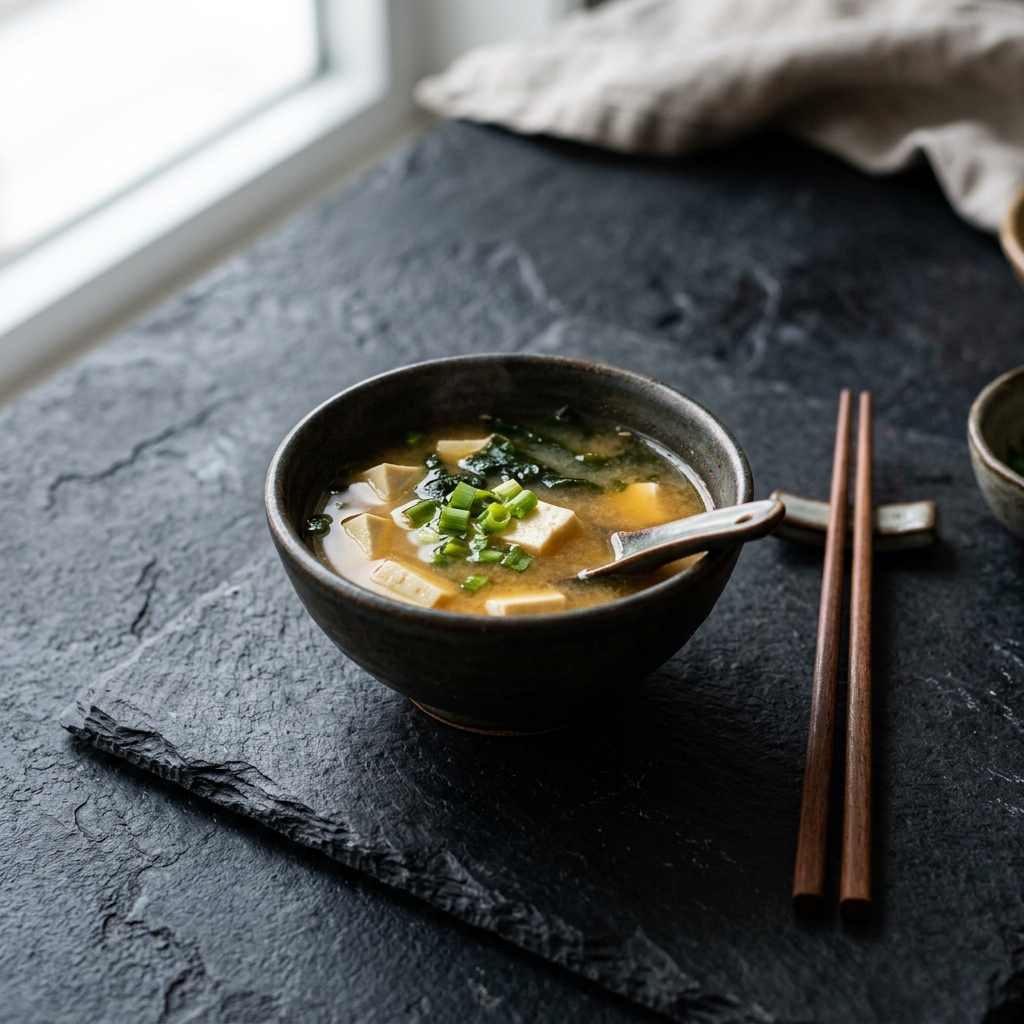
  • Athlete's Recovery Miso Soup: Heat 2 cups dashi broth to a gentle simmer (not boiling), remove from heat, dissolve 2 tbsp red miso paste, add cubed silken tofu, sliced green onions, and a sheet of torn nori seaweed.
🌱 HARVEST ENGINE

Ready to harvest Miso?

Start the webcam interactive harvest coach to gather this ingredient.

Launch Harvest Coach →
Q1 of 3
Which of these is a common mistake or pitfall when preparing/consuming the Miso?

Common Pitfalls & Warnings

  • Boiling miso in soup, which kills the live probiotic cultures and denatures the heat-sensitive digestive enzymes that are its primary benefit.
  • Using only white (shiro) miso—while milder, it has significantly fewer probiotics and melanoidins than red (aka) or hatcho miso aged 1-3 years.
  • Ignoring sodium content; while miso sodium is buffered by potassium and probiotics, individuals with severe hypertension should monitor total intake.

Where to Buy

🏷️

Pricing data for Miso is coming soon. Have store suggestions? Share them in the community kitchen!

COMMUNITY KITCHEN

Share Your Meal Prep

Unsure if your macro balance is correct? Upload a photo of your plate to get direct feedback from other bio-athletes.

#recipe-swap#ask-the-nutritionist
Share Meal Photo

Recipe Combinations

Japanese Gut Protocol (Miso + Kimchi)

Related Foods

KimchiGut & DigestionSauerkrautGut & DigestionGreen TeaHydration & Salts

Recommended Kitchen Tools

🌪️

High-Speed Blender

Essential for preparing smooth, easily digestible pre-workout fruit smoothies and post-workout protein isolates.

⚖️

Digital Food Scale

Critical for precision portioning of macronutrient targets (complex carbohydrates, lean proteins, healthy lipids).