Skip to content
PLATEWIKI
Anatomy Map Foods Articles Glossary Dietary Rules Earthy Blueprint
Recipes Nutrients Programs Meal Planner Fasting Timer
Leaderboard Join the Discord About
Kitchen Shop Merch
Athletes Saved
PLATEWIKI

The free, open sports nutrition and whole food library. Fuel smarter.

ExploreAnatomy MapAll FoodsProgramsArticlesAthlete ProfilesSaved Foods
LearnEarthy BlueprintMerchPartner With Us
ResourcesNutrition GlossaryDietary RulesFasting TimerAbout
CommunityJoin the DiscordNutrition Board (IG)Contact
LegalPrivacy PolicyTerms of Use

Disclaimer: Sports nutrition guidance and fasting timers carry risks if you have underlying conditions. Consult a medical professional before beginning any diet or fasting protocol. PlateWiki assumes no liability for health issues or nutritional decisions.

Nutritional data and dietary guidelines are curated in reference to the USDA FoodData Central database.

© 2026 PlateWiki. All rights reserved.

Anatomy MapKimchi
Gut & Digestion•• TargetedAll Athletes

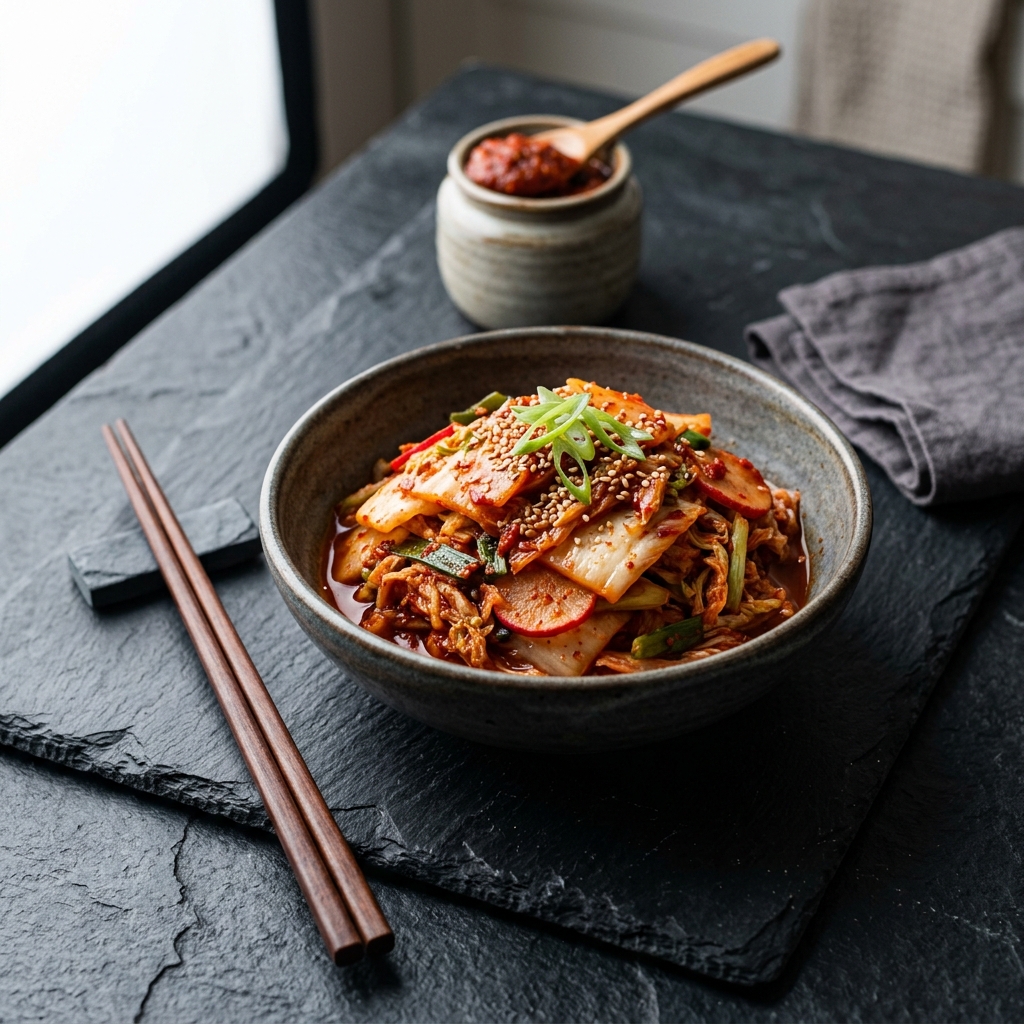
Kimchi

Korea's legendary spicy fermented vegetable medley—typically napa cabbage with gochugaru chili, garlic, ginger, and fish sauce—harboring diverse probiotic strains including Lactobacillus kimchii (unique to this ferment). The capsaicin from chili flakes boosts thermogenesis, while the garlic provides allicin for antimicrobial defense. Kimchi also delivers substantial vitamin K, vitamin C, and prebiotic fiber.

rawfermentedside-dish
Reviewed by Nutrition Advisory Board · Last updated June 2026
Gut Wall & AbdominalsObliquesQuadriceps
Kimchi

Recommended Intake & Goals

Consume 1/4 to 1/2 cup of traditionally fermented kimchi daily with meals to diversify gut flora, enhance digestion, and deliver capsaicin thermogenic benefits.

Preparation & Usage Steps

  1. Diverse Lactobacillus strains (L. kimchii, L. plantarum, Leuconostoc mesenteroides) colonize the gut, producing bacteriocins that inhibit pathogenic overgrowth.
  2. Capsaicin from gochugaru binds TRPV1 receptors in the GI tract, increasing gastric motility and mucus production while mildly stimulating thermogenesis via sympathetic activation.
  3. Allicin from fermented garlic is converted to ajoene and S-allylcysteine, which exhibit broad-spectrum antimicrobial activity against harmful gut bacteria and Candida species.
  4. Prebiotic fiber from napa cabbage feeds beneficial Bifidobacterium in the colon, producing butyrate that maintains tight junction integrity and reduces intestinal permeability.

Nutrition Cues

"Look for traditionally fermented kimchi with live cultures—avoid brands that use vinegar shortcuts instead of natural lacto-fermentation."
"The spicier and more aged the kimchi, the higher the probiotic diversity and organic acid content."
"Pair with rice or protein to buffer the capsaicin and acidity if you have a sensitive stomach."

Preparation Tips

  • The brine at the bottom of a mature kimchi jar is a probiotic concentrate—use 1 tbsp as a salad dressing base or dilute with water for a potent morning gut tonic.
  • Combine kimchi with a prebiotic fiber source like cooked-and-cooled rice (resistant starch): the prebiotics feed the probiotics you just consumed, dramatically improving colonization rates.

Synergistic Foods & Bio-boosts

  • Korean Athlete Bowl: Serve 1 cup cooked-and-cooled jasmine rice topped with 4oz bulgogi beef, 1/3 cup aged kimchi, 1 fried egg, sliced cucumber, and a drizzle of sesame oil with toasted sesame seeds.
🌱 HARVEST ENGINE

Ready to harvest Kimchi?

Start the webcam interactive harvest coach to gather this ingredient.

Launch Harvest Coach →
Q1 of 3
Which target muscle group is physiologically supported or target-fuelled by the Kimchi?

Common Pitfalls & Warnings

  • Buying "quick kimchi" made with vinegar instead of natural fermentation—it has no live probiotics and misses the entire point of this food.
  • Heating kimchi in stir-fries or soups before serving, which kills the beneficial bacteria (add it after cooking or eat as a raw side dish).
  • Consuming excessive amounts when first starting, leading to gas and digestive distress from the rapid introduction of novel bacterial strains and capsaicin.

Where to Buy

From $5.99–7.99 per 28oz jar
🏪
CostcoBest Value
$5.99–7.99 per 28oz jar · Jongga brand — traditional recipe
🟦
Walmart
$4.48–6.48 per 14oz
🥬
Whole FoodsTop Quality
$6.99–9.49 per 16oz · Artisanal small-batch options

Prices are approximate US averages and may vary by location. Last verified July 2026.

COMMUNITY KITCHEN

Share Your Meal Prep

Unsure if your macro balance is correct? Upload a photo of your plate to get direct feedback from other bio-athletes.

#recipe-swap#ask-the-nutritionist
Share Meal Photo

Recipe Combinations

Microbiome Diversity Stack (Kimchi + Sauerkraut)

Related Foods

SauerkrautGut & DigestionMisoGut & DigestionOrganic Turmeric RootSuperfoods & Adaptogens

Recommended Kitchen Tools

🌪️

High-Speed Blender

Essential for preparing smooth, easily digestible pre-workout fruit smoothies and post-workout protein isolates.

⚖️

Digital Food Scale

Critical for precision portioning of macronutrient targets (complex carbohydrates, lean proteins, healthy lipids).