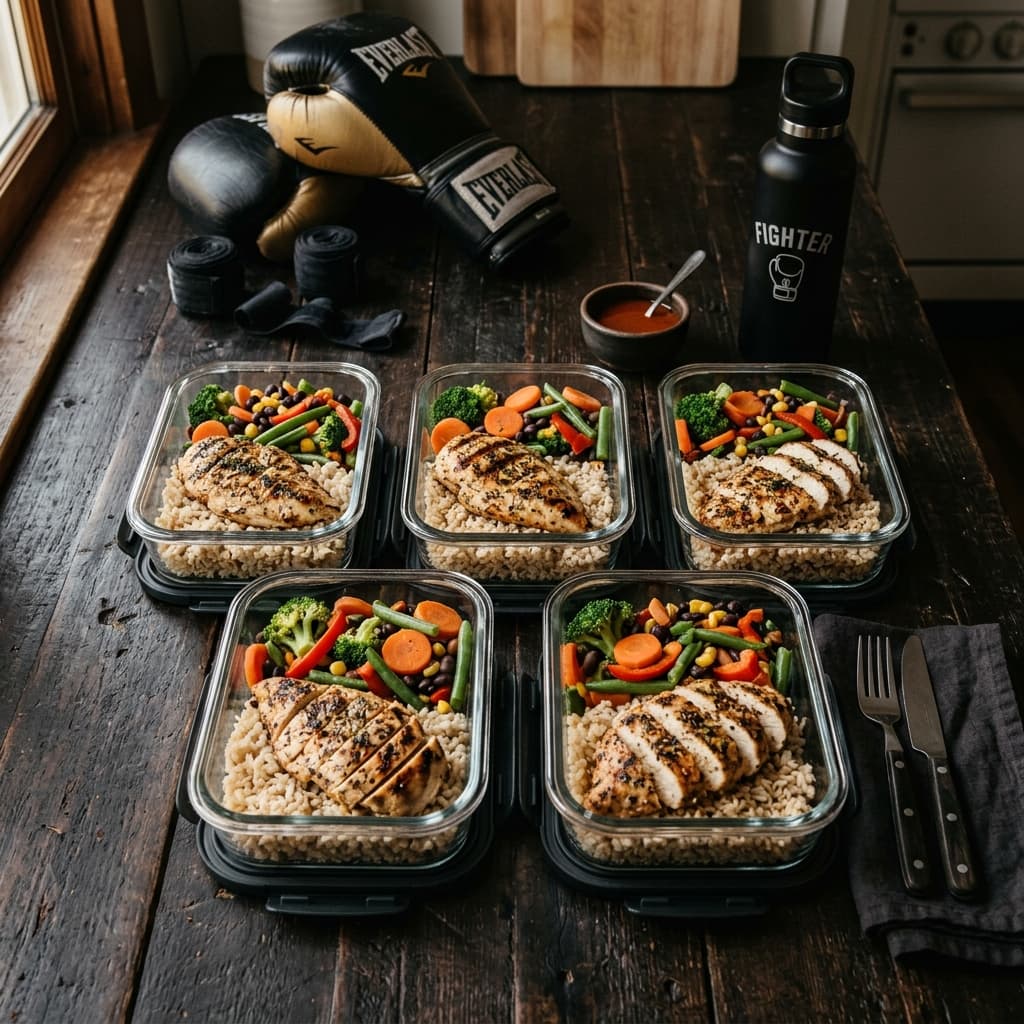
Fat Loss for Athletes: Cutting Weight without Losing Power
Weight classes exist for a reason. A athlete who can pack the maximum amount of muscle and power into a specific weight limit holds a massive physical advantage. This reality leads athletes to cut weight.
However, many athletes cut weight incorrectly. They starve themselves, run in plastic suits for weeks, and skip recovery meals. These methods lead to muscle loss, decreased speed, and depleted energy reserves. You will make the weight, but you will enter the ring weak, dehydrated, or vulnerable to a knockout.
To cut weight successfully, you must focus on fat loss while retaining your lean muscle tissue. This requires a scientifically structured caloric deficit, high protein intake, and smart training adjustments.
Fat Loss vs. Water Cutting
You must understand the difference between fat loss and water cutting.
Fat loss is a long-term process. It takes weeks of consistent nutrition to burn adipose tissue. Fat loss does not hurt your athletic performance if done slowly.
Water cutting is an acute process. It involves dehydrating your body in the final 24 to 48 hours before the weigh-in. Water cutting is temporary. You lose water weight to step on the scale, then you immediately rehydrate before the fight.
If you try to lose fat by dehydrating yourself weeks before a fight, you will destroy your training camp. Your muscles need water to contract and recover. Dehydration increases your risk of brain injury. Fat loss must happen first; water cutting is only for the final hours.
The Calorie Deficit: Slow and Controlled
To lose fat, you must consume fewer calories than you burn. However, a athlete in training camp cannot use a massive deficit. If your calorie deficit is too large, your body will burn muscle for fuel, and your training performance will suffer.
Aim for a daily caloric deficit of 300 to 500 calories. This rate allows you to lose roughly 0.5 to 1.0 pound of fat per week.
- Calculate your Total Daily Energy Expenditure (TDEE), including your roadwork and gym sessions.
- Subtract 300 to 500 calories from this number.
- Do not go below this threshold. If you lose weight faster than one pound per week, you are losing muscle tissue.
High Protein Intake for Muscle Retention
When you are in a caloric deficit, your body looks for tissue to break down for energy. To force your body to burn fat instead of muscle, you must feed it high amounts of protein.
Consuming protein tells your muscles to rebuild, even when overall energy is low. Aim for 2.0 to 2.4 grams of protein per kilogram of body weight daily (or roughly 1.0 gram per pound of body weight).
Get your protein from clean sources:
- Chicken breast and turkey.
- White fish and salmon.
- Egg whites.
- Whey isolate powder.
Distribute your protein intake evenly throughout the day, consuming 30 to 40 grams every three to four hours.
Carbohydrate Cycling: Fueling the Work
Carbohydrates are your body's primary fuel source for high-intensity activity. Athletic Nutrition is an anaerobic sport. You need glycogen (stored carbohydrates in your muscles) to throw fast punches and explode during exchanges.
Do not use a zero-carb diet. A zero-carb diet will make you sluggish and unable to complete tough training sessions. Instead, cycle your carbohydrates based on your daily training volume.
Hard Training Days (Training or Track Work)
Increase your carbohydrate intake. Eat complex carbs like oats, brown rice, or sweet potatoes two hours before your session. Consuming carbohydrates ensures your muscles are loaded with glycogen, allowing you to train at peak intensity.
Light Training Days (Technical Work or Rest Days)
Reduce your carbohydrate intake. On these days, your energy demands are lower, so you do not need as much glycogen. Keep your protein high, and get your carbohydrates primarily from green vegetables.
Strength Training During a Weight Cut
Many athletes stop lifting weights during a cut, fearing they will build bulk. This is a mistake.
Strength training is the strongest stimulus for muscle retention. When your body is in a caloric deficit, lifting heavy weights tells your brain that your muscle tissue is necessary for survival.
During a weight cut, change your strength program to a low-volume, high-intensity structure:
- Perform heavy compound lifts like squats and deadlifts.
- Keep the weight heavy (80% to 85% of your one-rep max).
- Keep the volume low (2 to 3 sets of 4 to 6 repetitions).
- Avoid high-rep sets (12 to 15 reps) designed to burn calories. High reps in a deficit lead to muscle fatigue and tissue breakdown.
Meal Timing for Performance
When calories are restricted, when you eat becomes as important as what you eat. You must time your meals to fuel your training sessions and maximize recovery.
Pre-Workout (2 hours before)
Consume a meal containing 30 grams of protein and 40 to 60 grams of complex carbohydrates. This meal keeps your blood sugar stable and fills your muscle glycogen reserves.
Post-Workout (within 45 minutes)
Consume a fast-digesting protein shake along with simple carbohydrates, such as a banana. This meal stops muscle protein breakdown and starts the recovery process immediately.
Hydration Tracking and Monitoring
To ensure you are not losing water weight prematurely, you must track your daily hydration levels. Dehydration during training camp reduces strength and increases the risk of injury.
Track your hydration using these protocols:
- Body Weight Fluctuations: Weigh yourself every morning after waking up. Keep a log. Sudden drops of more than two pounds from one day to the next usually indicate water loss rather than fat loss.
- Urine Color Check: Your urine should be pale yellow or clear. If it is dark yellow, you are dehydrated. Increase your intake of water immediately.
- Target Fluid Intake: Drink a minimum of 4 to 5 liters of water daily during hard training. This level keeps your kidneys functioning and your muscles hydrated.
Common Weight Cut Pitfalls
Avoid these training errors during your weight cut:
Starvation Diets
Eating 1,000 calories a day will trigger starvation mode. Your thyroid hormones will drop, your metabolism will slow, and your body will hold onto fat while burning muscle.
Fat Burner Pills
These supplements are useless and dangerous. They increase your heart rate, dehydrate your body, and interfere with your sleep. Rest and nutrition are your only real fat burners.
Skipping Post-Training Meals
You must eat after training, even if you are over your target weight. Training causes muscle damage and depletes your energy. Skipping this recovery meal will prevent your muscles from repairing, leaving you weak for your next session.
See these techniques broken down by featured creator Coach Josh.
Ready to Practice?
Put what you learned into action with a guided shadowboxing session or timed heavy bag workout.